

Decorative aggregates have become one of the most versatile and visually striking materials in modern garden landscaping. From gravel paths to plum slate chippings, they provide colour, texture, and practicality in equal measure. At Aggregate Superstore, we supply everything you need to know about how to lay decorative aggregates for a stunning garden finish, ensuring your outdoor space is transformed with ease.
Decorative aggregates are natural materials such as gravel, slate chippings, cobbles, and crushed stone, used to enhance garden features. Unlike construction aggregates, which serve a purely structural purpose, decorative stones combine practicality with visual appeal. Available in various colours, sizes, and textures, they can complement both rustic and contemporary garden designs.
Homeowners increasingly choose them for their low maintenance, excellent drainage, and ability to suppress weeds when laid with the right weed barrier. Their porous nature means decorative aggregates prevent standing water, making them ideal for driveways, pathways, and flower beds.
There is no one-size-fits-all when it comes to material selection. The right decorative aggregates for your garden depend on intended purpose, tones, and textures:
Gravel and Chippings: Golden Gravel, Cotswold Chippings, Limestone Chippings, and Flamingo Chippings are popular choices for gravel paths, garden borders, and gravel driveways.
Slate Chippings: Plum slate chippings and grey slate chippings add a modern touch with earthy tones and a neat finish.
Marble and Speciality Stones: White marble chips and polished cobbles give a smooth finish with architectural features.
Larger Stones and Cobbles: Gabion Stone and large cobbles create raised beds, edging, and erosion control while adding stability.
Each aggregate has different textures, shapes, and practical benefits, making them suitable for various landscaping projects.
The popularity of decorative aggregates in gardens and outdoor spaces has grown due to several benefits:
Low Maintenance: Gravel mulch and decorative chippings reduce the need for chemical weed killers.
Weed Suppression: Laying a weed prevention membrane under aggregates offers excellent weed control.
Drainage: Aggregates create a stable surface with better drainage, avoiding soil erosion.
Kerb Appeal: Decorative stones add visual interest, tones, and a contemporary edge to garden design.
Versatility: Ideal for pathways, garden borders, surrounding areas of patios, and even around potted plants.
Before you start laying decorative aggregates, gather the right tools:
Shovel and steel garden rake for levelling
A wheelbarrow for moving bulk bags of materials
Wooden stakes and string for marking boundaries
Weed barrier or geotextile fabric for weed suppression
Sub-base material, such as Sharp Sand or crushed stone for stability
A solid foundation ensures your aggregates remain stable under foot traffic and tyre treads.
Preparation is vital. Begin by clearing the area of vegetation, organic matter, and debris. For smaller areas, a simple shovel will do; larger areas may need mechanical help. Next, level the ground and compact the soil to create a stable surface.
If you are creating gravel driveways or walkable surfaces, lay a sub-base of compacted stone to provide added stability. Ensure you establish a drainage route to prevent standing water.
When it comes to how to lay decorative aggregates for a stunning garden finish, follow these steps:
Mark Out the Area – Use wooden stakes and string to define garden borders or gravel paths.
Lay a Weed Barrier – Position geotextile fabric or a weed prevention membrane to suppress pesky weeds.
Add the Base Layer – Spread sub-base material like crushed stone to provide a solid foundation.
Spread the Aggregates – Pour your chosen aggregate, ensuring a recommended depth of 40–50mm for decorative chippings.
Rake for a Smooth Finish – Use a garden rake to achieve a neat, level surface.
For pathways, gravel grids can be added beneath the aggregates for extra stability.
While low-maintenance, aggregates benefit from regular care:
Rake surfaces occasionally to redistribute chips and maintain level surfaces.
Top up with extra material from bulk bags when natural settlement occurs.
Remove fallen leaves or small items that encourage plant growth or soil moisture retention.
Decorative aggregates are not limited to ground cover. Some ideas include:
Garden Borders – Use white marble chips or plum slate chippings to frame flower beds.
Driveways – Loose gravel and 20mm gravel create excellent drainage and a rustic charm.
Pathways – Gravel paths lined with cobbles or block paving add kerb appeal.
Patio Surrounds – Cotswold Chippings add visual interest around garden furniture.
Alpine Gardens – Smaller chippings bring texture and stability to rockeries.
Modern Gardens: Grey slate chippings combined with angular chippings create a sleek, contemporary edge.
Rustic Charm: Pea shingle and golden gravel evoke a natural feel with earthy tones.
Raised Beds: Flamingo Chippings provide visual contrast to wooden structures.
Erosion Control: Larger cobbles and gabion stone provide both aesthetic and practical purposes.
Decorative aggregates serve both decorative features and practical purposes, making them a top choice for landscape designers and homeowners alike.
What are the different types of aggregates used for landscaping and garden design?
Decorative aggregates include gravel, slate chippings, cobbles, crushed stone, and marble chips. Each offers different textures, colours, and practical benefits.
Which types of aggregates are best suited for creating garden borders?
Slate chippings, Cotswold Chippings, and marble chips are excellent for neat borders, while cobbles add stability and decorative features.
How do decorative stones serve both practical and aesthetic purposes in a garden setting?
They provide excellent drainage, weed suppression, and erosion control while enhancing kerb appeal with tones and textures.
Can a garden rake be used to effectively lay and maintain decorative aggregates?
Yes, a steel garden rake is essential for spreading, levelling, and maintaining aggregates across outdoor spaces.
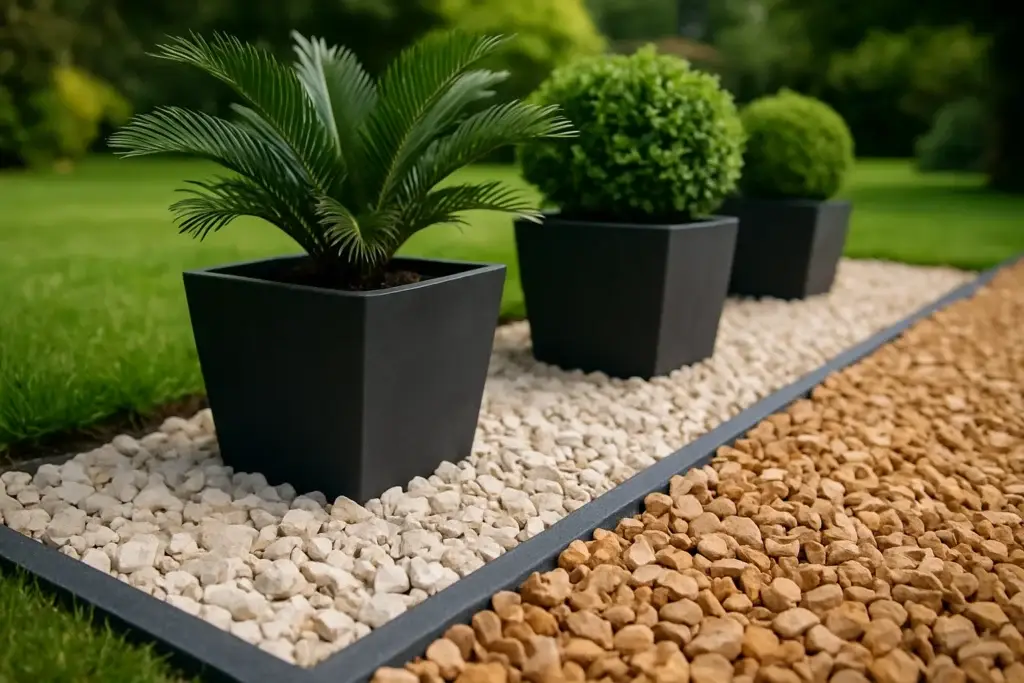
Learning how to lay decorative aggregates for a stunning garden finish is an investment in both beauty and practicality. Whether you choose golden gravel for rustic charm or grey slate for a contemporary look, aggregates provide durable, low-maintenance landscaping solutions. At Aggregate Superstore, we supply the perfect aggregate for every project, helping you transform your garden into a picture-perfect outdoor oasis.
Contact Aggregate Superstore today for expert advice, bulk bags, and the widest range of decorative aggregates available.
At Aggregate Superstore, we help customers choose materials that suit the real demands of their site, not merely a product name. This detailed guide covers clean granite gravel. Our team…
At Aggregate Superstore, we help customers choose materials that suit the real demands of their site, not merely a product name. This detailed guide covers 10mm to dust aggregate. Our…
At Aggregate Superstore, we help customers choose materials that suit the real demands of their site, not merely a product name. This detailed guide covers 6mm clean crushed stone. Our…
Reliable aggregate supplies are the foundation of a well-run construction or landscaping project. The correct stone must perform as intended, arrive in a useful format and reach the site safely….
When a construction project needs a dependable, load-bearing sub-base, 6F5 stone is often one of the most practical choices. This coarse aggregate creates bulk, supports heavy loads and can make…
A well-designed driveway sets the tone for the entire home. Choosing the right material is not just about practicality but also about creating kerb appeal that adds long-term value. Among…
Transform Your Outdoor Space: A Guide to Laying Decorative Aggregates Decorative aggregates are one of the most versatile and cost-effective materials for enhancing any outdoor space. Whether you’re creating a…
Paving the Way: A Comprehensive Guide to Laying Gravel Grids Gravel grids have become an increasingly popular choice for creating durable, low-maintenance surfaces for driveways, pathways, patios, and car parks….
If you’re looking for a versatile, fine-grade aggregate that performs exceptionally well in landscaping, Golconda 10-dust is an excellent choice. At Aggregat Superstore, we proudly supply premium Golden Gravel dust…
Aggregate Superstores’ nationwide delivery service offers customers across the country access to our range of products with fast and reliable shipping.
Aggregate Superstores’ free product samples allow you to try selected items at no cost, helping you to make informed purchasing decisions.