
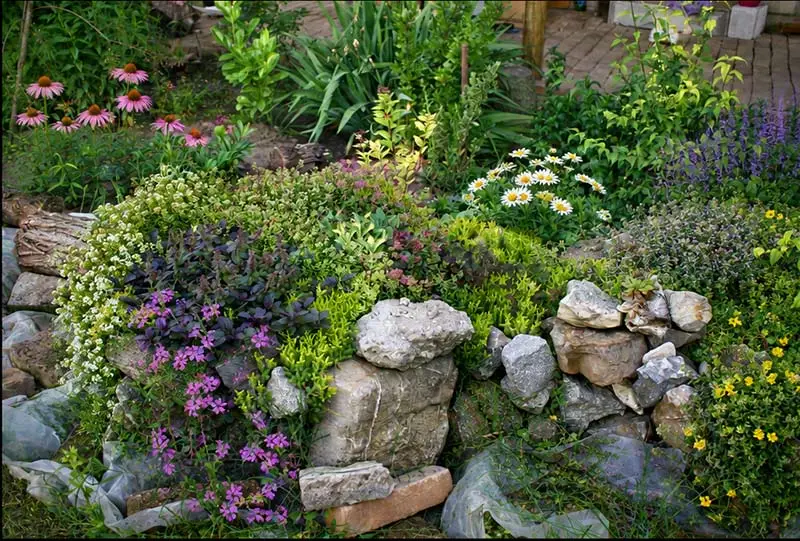
Decorative boulders can completely change the character of a garden. Whether used as a dramatic focal point, incorporated into a rockery or positioned alongside smaller decorative stones, they bring height, texture and natural beauty to an outdoor space.
At Aggregate Superstore, we supply decorative aggregates for landscaping projects of all sizes. Decorative boulders are a particularly effective choice because they combine visual appeal with durability and practical landscaping benefits.
Unlike features that need painting, treating or regular replacement, natural stone can remain part of a landscape for many years. The key is choosing the right stone, size and position for your garden space.
Decorative boulders are large pieces of natural stone selected for their colour, texture, shape and landscaping potential. Depending on the required appearance, this can include Granite, Basalt, limestone, sandstone and other forms of Natural stone.
Their size distinguishes stone boulders from smaller stones, decorative gravel, Tweed Pebbles, Ocean Blue Pebbles, Scottish Pebbles and Scottish Cobbles.
Smaller boulders can be incorporated into beds, borders and compact gardens, while larger boulders can become substantial landscape features in their own right.
Because Natural stone varies naturally, no two boulders will be exactly alike. This variation is one of their biggest attractions. Irregular surfaces, colour changes and geological markings give a landscape a character that is difficult to recreate with manufactured materials.
One of the main reasons to use decorative boulders is their ability to create instant visual interest.
A large boulder positioned within a planted border can draw the eye towards a particular area. Several Garden boulders placed together can create a natural-looking rockery, while smaller boulders can soften the transition between grassed areas, pathways and planted sections.
Decorative boulders can be particularly effective for:
They can also be combined with decorative stones and smaller aggregates to create contrast between different textures.
Size should be one of your first considerations.
A huge stone may overwhelm a small garden, whereas smaller boulders can disappear visually within a large commercial landscape. Think about the proportions of the surrounding buildings, plants, walls and open areas.
Colour matters too.
Granite can provide a rugged and substantial appearance, while lighter stone can help brighten darker areas. White Boulders may be particularly effective where a clean contemporary appearance is required.
Texture should also be considered. Smooth, rounded stone boulders can work beautifully alongside pebbles, while rougher and more angular Natural stone can create a dramatic feature within rockeries and traditional landscaping.
At Aggregate Superstore, we recommend considering the whole landscape rather than choosing a boulder in isolation.
Decorative boulders become even more effective when different stone sizes are layered together.
For example, a large feature stone could be surrounded by Scottish Cobbles before gradually transitioning into smaller decorative stones. This creates a much more natural appearance than placing a single boulder directly onto an otherwise empty surface.
Ocean Blue Pebbles could also be used around suitable decorative boulders to introduce colour and contrast. Tweed Pebbles or Scottish Pebbles can achieve a softer transition between larger stones and surrounding planting.
The aim is to make the feature look connected to its environment.
This principle is particularly useful when designing dry riverbeds, pond surrounds and pathways. Larger boulders provide structure, while smaller stones fill spaces and create continuity.
Granite is a popular landscaping material because it is hard, durable and naturally attractive. Granite decorative boulders can withstand long-term exposure to British weather while retaining their distinctive character.
They are particularly suited to contemporary gardens, commercial landscaping, rockeries and larger garden spaces.
Basalt offers another striking option. Its darker appearance can contrast beautifully with green planting, pale gravel and lighter decorative stones.
When choosing between Granite, Basalt and other Natural stone, think about how the colour will work when both dry and wet. Some natural stones become considerably darker or more vivid after rain.
Larger boulders can also be incorporated alongside garden walls and retaining walls.
They can soften the appearance of hard landscaping and help connect constructed features with surrounding planting. In suitable landscape designs, substantial stone can also contribute to retaining features and erosion control.
However, decorative placement and structural engineering are not the same thing. Any boulder being relied upon to retain significant amounts of soil should form part of a properly designed retaining solution.
Before Delivery, decide approximately where each boulder will be positioned.
This is particularly important with larger boulders because moving them around a finished garden can be difficult.
Consider:
It often looks more natural if part of the boulder is set below ground level. This can make the stone appear established within the landscape rather than simply placed on top of it.
Never underestimate the weight of Natural stone.
Large decorative boulders can weigh hundreds of kilograms, so appropriate lifting equipment may be required. Depending on the size and site conditions, this could involve mechanical lifting equipment operated by an experienced contractor.
Trying to manually manoeuvre a very heavy boulder is unsafe.
Access should therefore be considered before ordering. Check whether the Delivery vehicle can reach the property and whether the stone can be transported from the unloading point to its final position.
For commercial projects and substantial landscaping schemes, installation logistics should ideally be planned before Nationwide Delivery is arranged.
Natural stone can play an important role in lower-maintenance garden design.
Boulders do not require watering, mowing or regular replacement. When combined with drought-tolerant planting and decorative aggregates, they can help reduce the proportion of a garden devoted to thirsty lawns and intensive planting.
They can also provide small sheltered spaces around planting and create a more varied landscape.
Sustainability still depends on the wider project, however. Transport distances, Delivery methods, quarrying and the quantity of material used should all be considered rather than assuming every Natural stone product automatically has a low environmental impact.
Decorative boulders are extremely durable, but there are practical disadvantages to consider.
Weight is the most obvious. Larger boulders can be expensive and difficult to transport and may require appropriate lifting equipment during installation.
Dark stones can also absorb heat when exposed to strong sunlight, which may affect sensitive plants positioned immediately beside them.
Most importantly, repositioning a large boulder after landscaping has been completed can be difficult. Careful planning at the beginning of the project can save considerable effort later.
The choice does not necessarily need to be one or the other.
Decorative boulders provide height, structure and prominent focal points. Smaller decorative stones provide surface coverage, texture and continuity.
Used together, they can create a far more convincing landscape.
A large boulder surrounded by smaller boulders, Scottish Cobbles and gravel, for example, can create a gradual transition in scale. This often appears more natural than using stones of a single size.
Decorative boulders are not limited to domestic gardens.
They can work extremely well around offices, hotels, retail developments, car parks, public spaces and commercial entrances.
Large stones can provide visual interest within otherwise open grassed areas. In carefully planned schemes, substantial boulders may also discourage vehicles from entering landscaped areas without introducing unattractive barriers.
Their low maintenance requirements can make them particularly useful where long-term landscaping costs need to be considered.
Choose a size that is proportionate to your garden space. Smaller boulders work well around borders and pathways, while larger boulders can create dramatic focal points in substantial gardens and commercial landscapes.
Granite is extremely hard and durable. It withstands weather well and has natural variations in colour and texture that make it attractive for general landscaping. Its weight, however, means larger pieces may require mechanical handling.
Boulders can form part of retaining walls especially when used in Gabions and landscaped retaining features, but structural applications need careful planning. The ground conditions, drainage, load and stability of the stones must all be considered.
Often, yes. Larger boulders can be extremely heavy and appropriate lifting equipment may be needed to position them safely. Plan access and installation before Delivery rather than discovering afterwards that the stone cannot easily be moved.
Generally, very little. Natural weathering is usually part of their appeal. Occasional cleaning and removal of weeds or unwanted growth around the stones may be all that is required.
Decorative boulders offer a simple way to introduce structure, texture and natural beauty into almost any landscape. From a single feature stone to larger schemes combining Garden boulders, decorative stones, pathways, planting and walls, there are countless possibilities.
Aggregate Superstore provides a wide choice of decorative aggregates for gardens and landscaping projects, making it easier to coordinate larger feature stones with complementary materials.
Whether you are creating a contemporary garden, traditional rockery, commercial landscape or low-maintenance outdoor space, choosing the right combination of colour, scale and texture can transform the finished design.
Need help choosing decorative boulders or complementary aggregates? Contact Aggregate Superstore to discuss your landscaping project, Delivery requirements and the materials that could help bring your design together.
Related Products:
Interlocking concrete barriers are heavy-duty modular concrete units designed to connect securely to create strong walls, boundaries and protective structures. Their substantial weight, robust construction and flexible layout make them…
A well-designed limestone border can completely change the appearance of an outdoor space. Whether you are creating defined garden borders around a lawn, separating planting areas from a pathway, or…
20mm clean granite is one of those aggregates that manages to combine practicality with an attractive natural appearance. Strong, hard-wearing and versatile, it can be used for everything from drainage…
At Aggregate Superstore, we help customers choose materials that suit the real demands of their site, not merely a product name. This detailed guide covers clean granite gravel. Our team…
At Aggregate Superstore, we help customers choose materials that suit the real demands of their site, not merely a product name. This detailed guide covers 10mm to dust aggregate. Our…
At Aggregate Superstore, we help customers choose materials that suit the real demands of their site, not merely a product name. This detailed guide covers 6mm clean crushed stone. Our…
Reliable aggregate supplies are the foundation of a well-run construction or landscaping project. The correct stone must perform as intended, arrive in a useful format and reach the site safely….
When a construction project needs a dependable, load-bearing sub-base, 6F5 stone is often one of the most practical choices. This coarse aggregate creates bulk, supports heavy loads and can make…
Decorative aggregates have become one of the most versatile and visually striking materials in modern garden landscaping. From gravel paths to plum slate chippings, they provide colour, texture, and practicality…
Aggregate Superstores’ nationwide delivery service offers customers across the country access to our range of products with fast and reliable shipping.
Aggregate Superstores’ free product samples allow you to try selected items at no cost, helping you to make informed purchasing decisions.